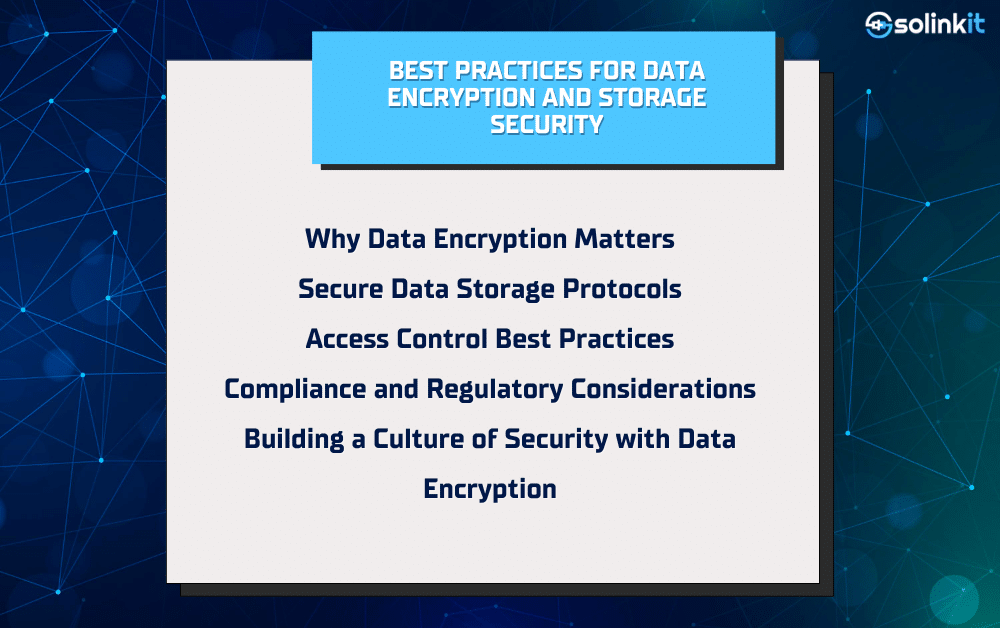
In Part 1 of this series, we explained why data is your business’s most valuable asset and why protecting it should be a top priority. In Part 2, we’ll take a closer look at how to keep that data secure with data encryption, safe storage protocols, and smart access controls. Prevention is always better than recovery, and data encryption plays a central role in defending your business.
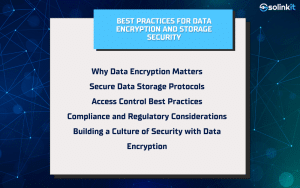
Why Data Encryption Matters
What Data Encryption Is
Data encryption is the process of turning information into unreadable code that can only be unlocked with a special key. This means that even if someone steals your files, they can’t read them without authorization. Think of data encryption as a secret code that protects your business information.
Types of Data Encryption
There are different types of encryptions. Symmetric encryption uses one key for both locking and unlocking, while asymmetric encryption uses a pair of keys—one public and one private. Data can also be encrypted at rest (when stored) and in transit (when being sent across networks). The most secure systems use both types of data encryption.
Real-World Example of Data Encryption
Imagine an employee’s laptop is stolen. Without encryptions, sensitive files could be read instantly. With encryption, the thief only sees scrambled text. The same protection applies if hackers intercept an email—data encryption makes it useless to them.
Benefits of Data Encryption
Data encryption protects customer trust, keeps your business compliant with laws, and reduces the chance of costly breaches. Beyond safety, it shows your clients that you value their privacy and take security seriously.
Secure Data Storage Protocols
Cloud vs. On-Premises Storage
Businesses often debate whether to store data in the cloud or on physical servers. Cloud storage offers scalability and built-in security, while on-premises systems give more direct control. Whichever option you choose, pairing it with strong data encryption ensures maximum safety.
Backups and Redundancy
Data should always be backed up regularly and stored in multiple locations. Cloud and on-site backups, when combined with data encryption, ensure that even if one system fails, your information remains safe and recoverable.
Segmentation
Sensitive data, like customer records or financial files, should be stored separately from general business data. Segmentation paired with encryption means hackers can’t easily access everything at once.
Safe Disposal
Old files must be properly destroyed. Simply deleting them isn’t enough. Secure wiping or shredding drives ensures that outdated information doesn’t fall into the wrong hands. Adding encryption during storage makes disposal even safer.
Access Control Best Practices
Role-Based Access
Employees should only access the data they need for their roles. Role-based access, combined with encryption, adds an extra layer of security. Sensitive files remain protected even if access is misused.
Multi-Factor Authentication (MFA)
Passwords alone aren’t enough. MFA requires extra steps, like a password plus a phone code, making it harder for attackers to break in. Encryption ensures that even if credentials are stolen, data is still protected.
Monitoring and Logging
Keeping track of who accesses data is vital. Logs combined with data encryption make it easier to spot suspicious activity and confirm whether sensitive files were accessed or remain secure.
Employee Training
Strong technology is only effective if employees use it correctly. Training staff on secure logins, phishing awareness, and the importance of data encryption ensures safer daily operations.
Compliance and Regulatory Considerations
Legal Requirements
Many laws require businesses to use data encryption. HIPAA, GDPR, and CCPA all stress the importance of protecting sensitive data. Meeting these rules keeps your business safe from fines and lawsuits.
Audits and Assessments
Regular audits confirm whether your business is using encryptions and secure storage correctly. Identifying weaknesses early prevents larger problems later.
Industry Standards
Following standards like ISO 27001 and NIST guidelines ensures your data encryption meets proven best practices. These frameworks are recognized globally and build customer trust.
Building a Culture of Security with Data Encryption
Leadership Commitment
When leaders prioritize data encryption, it sets the tone for the whole business. Investing in secure systems shows employees and customers that protection matters.
Regular Updates
Encryption methods must evolve as technology changes. Updating encryption keys, security software, and patches regularly ensures ongoing safety.
Ongoing Employee Training
Security isn’t a one-time task. Employees should be regularly reminded about the importance of data encryption and how to follow safe practices in their daily work.
Preparing for the Future
As technology grows, new risks appear. Businesses should begin exploring future tools like quantum-safe encryption. Staying ahead ensures your data protection strategy remains strong.
Conclusion
Data encryption, secure storage, and access control are the foundation of effective data protection. These practices not only secure customer information but also keep your business compliant and resilient. In Part 3 of this series, we’ll dive into compliance and legal strategies in more detail. Contact SoLinkIt today to learn how we can help your business strengthen its data encryption and security practices.