Ransomware attacks are becoming one of the most serious cybersecurity threats facing businesses today, with small and mid-sized organizations increasingly being targeted. A single attack can lock critical systems, disrupt operations, and put sensitive company and customer data at risk. This has led many business owners to ask an important question: Can cybersecurity consulting protect my business? Understanding how cybersecurity consulting works and how it strengthens a company’s defenses can help organizations take the proactive steps needed to reduce risk and protect their operations.
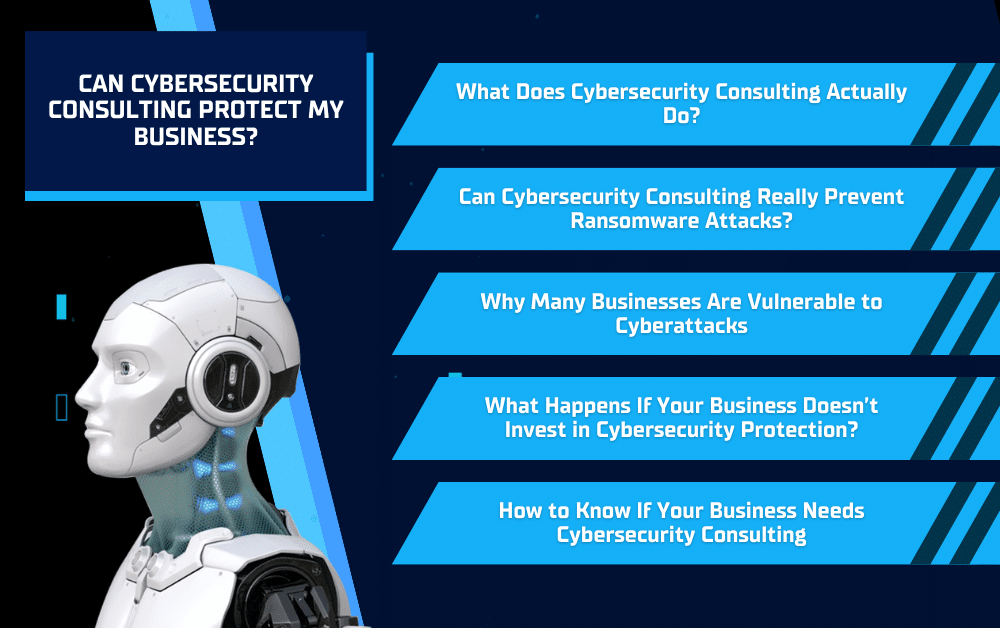
What Does Cybersecurity Consulting Actually Do?
Identifying Security Vulnerabilities
One of the primary roles of cybersecurity consulting is identifying weaknesses in a business’s technology environment before attackers can exploit them. This typically involves reviewing network configurations, software systems, user access controls, and existing security policies. By conducting risk assessments and security audits, consultants can uncover hidden vulnerabilities that may otherwise go unnoticed.
Strengthening Network and System Security
Once vulnerabilities are identified, cybersecurity consultants help businesses strengthen their defenses. This can include implementing firewalls, endpoint protection, multi-factor authentication, and secure network configurations. These protections work together to make it significantly harder for cybercriminals to gain unauthorized access to business systems.
Building a Long-Term Cybersecurity Strategy
Cybersecurity consulting is not just about fixing immediate issues—it also focuses on building a long-term security strategy. This may involve creating security policies, establishing monitoring processes, and developing incident response plans. With a clear cybersecurity strategy in place, businesses are better prepared to detect threats early and respond quickly if an incident occurs.
Can Cybersecurity Consulting Really Prevent Ransomware Attacks?
Detecting Threats Before They Spread
One of the biggest advantages of cybersecurity consulting is the ability to detect threats early. Security professionals implement monitoring tools that continuously analyze network activity for unusual behavior. This allows businesses to identify suspicious activity quickly and stop potential ransomware attacks before they spread across systems.
Implementing Stronger Security Controls
Cybersecurity consultants also strengthen the controls that protect company systems. This can include enforcing multi-factor authentication, managing user permissions, and ensuring systems are regularly updated with security patches. These safeguards make it significantly more difficult for attackers to gain access to business networks.
Reducing Common Entry Points for Cybercriminals
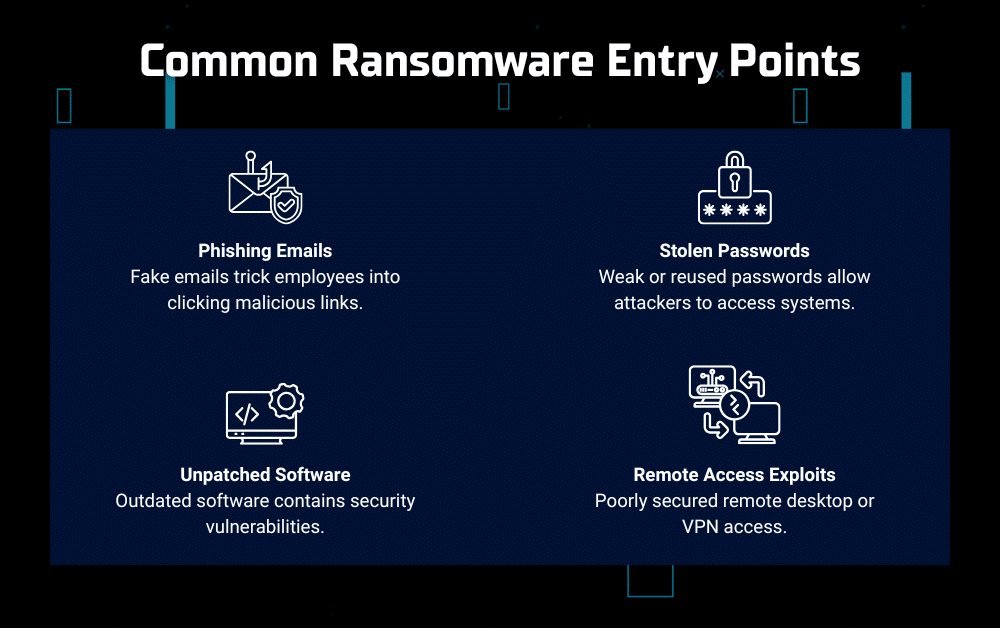
Many ransomware attacks begin through common entry points such as phishing emails, weak passwords, or outdated software. Cybersecurity consulting focuses on closing these gaps by improving email security, implementing stronger password policies, and keeping systems updated. By reducing these vulnerabilities, businesses can significantly lower their risk of experiencing a ransomware attack.
Why Many Businesses Are Vulnerable to Cyberattacks
Limited Internal Cybersecurity Expertise
Many businesses rely on internal IT staff to manage their technology infrastructure, but cybersecurity requires specialized knowledge that goes beyond day-to-day IT management. Without dedicated security expertise, vulnerabilities may go unnoticed and critical protections may never be implemented, leaving systems exposed to potential threats.
Outdated Software and Security Systems
Outdated software is one of the most common ways attackers gain access to business networks. When systems, operating systems, or applications are not regularly updated, known security flaws remain open for cybercriminals to exploit. Maintaining current software and security tools is a critical part of reducing risk.
Lack of Employee Security Awareness
Human error remains one of the leading causes of cybersecurity breaches. Employees may unknowingly click on phishing emails, reuse weak passwords, or download malicious files. Without proper training and awareness programs, these everyday actions can create entry points for ransomware attacks.
No Formal Cybersecurity Risk Assessment
Many organizations have never conducted a formal cybersecurity risk assessment to evaluate the strength of their defenses. Without a clear understanding of potential vulnerabilities, businesses may assume their systems are secure when significant gaps actually exist. Regular security assessments help identify and address these risks before they lead to serious incidents.
What Happens If Your Business Doesn’t Invest in Cybersecurity Protection?
Ransomware Can Disrupt or Shut Down Operations
Without strong cybersecurity protections in place, ransomware can quickly spread through a business network and lock critical systems. Employees may lose access to files, applications, and internal systems needed for daily operations. In many cases, this disruption can bring productivity to a halt and prevent the business from serving customers.
Data Loss and Recovery Costs
Recovering from a ransomware attack often requires significant time and financial resources. Businesses may need to restore systems, rebuild networks, and recover lost or encrypted data. Even when backups exist, the recovery process can take days or weeks, depending on the severity of the attack.
Damage to Reputation and Customer Trust
When sensitive customer or company data is compromised, the impact can extend beyond technical issues. Customers expect businesses to protect their information, and a security breach can quickly damage trust and credibility. Rebuilding that trust can take much longer than recovering the systems themselves.
Compliance and Legal Consequences
Many industries have regulations that require businesses to protect sensitive data. If a cyberattack results in data exposure, companies may face compliance violations, regulatory penalties, or legal action. Strong cybersecurity protections help businesses meet these requirements and reduce potential liability.
How to Know If Your Business Needs Cybersecurity Consulting
Your Business Stores Sensitive Data
Companies that store customer information, financial records, employee data, or proprietary business information face a higher level of cybersecurity risk. Protecting this data requires more than basic antivirus software—it requires a structured security strategy designed to prevent unauthorized access and data breaches.
Your Company Relies on Cloud Platforms or Remote Access
Many businesses now rely on cloud services, remote work systems, and connected devices to operate efficiently. While these tools improve flexibility and productivity, they also create additional entry points that attackers may attempt to exploit. Cybersecurity consulting helps ensure these systems are properly configured and protected.
Your IT Team Is Already Overextended
Internal IT teams often focus on maintaining systems, resolving technical issues, and supporting employees. Cybersecurity requires ongoing monitoring, threat analysis, and security planning that many teams simply do not have time to manage effectively. Consulting services provide the specialized expertise needed to strengthen security without overwhelming internal staff.
Your Business Has Never Conducted a Security Assessment
If your organization has never performed a formal cybersecurity risk assessment, there may be vulnerabilities within your systems that have not been identified. A comprehensive evaluation helps uncover potential weaknesses and provides a roadmap for improving your company’s overall cybersecurity posture.
Conclusion
Cyber threats like ransomware are not going away, and businesses of all sizes are potential targets. While no security system can guarantee that an attack will never happen, taking a proactive approach to cybersecurity can significantly reduce risk and strengthen your ability to respond if a threat occurs. Cybersecurity consulting helps businesses identify vulnerabilities, implement stronger protections, and create a strategy designed to keep systems and data secure.
For businesses looking to strengthen their defenses, working with experienced professionals can make a significant difference. Solinkit helps organizations evaluate their cybersecurity risks, implement stronger protections, and build a strategy that keeps their technology secure and reliable. If your business wants to reduce risk and improve cybersecurity, requesting an assessment is a smart first step toward protecting your systems and data.