Many businesses hold onto outdated software longer than they should, often to avoid the upfront cost of upgrading. On the surface, it may seem like a smart way to save money, especially if the system still “works.” But over time, outdated software creates hidden costs that impact security, productivity, and overall business performance. From increased risk of cyberattacks to daily inefficiencies that slow your team down, the true cost goes far beyond the price of an upgrade. In this blog, we’ll break down how outdated software affects your business and why modernizing your systems is a smarter long-term investment.
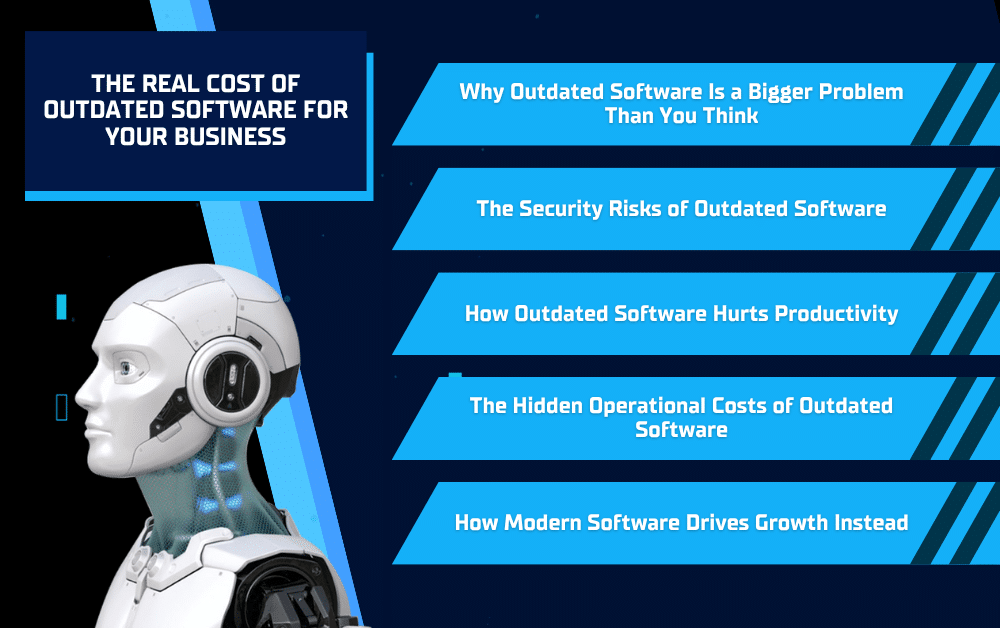
Why Outdated Software Is a Bigger Problem Than You Think
What Counts as Outdated Software
Outdated software isn’t just systems that are old—it includes any tools that are no longer supported, no longer receive updates, or can’t keep up with modern business needs. This could be legacy systems, older operating systems, or even newer tools that haven’t been updated or optimized in years. If your software can’t integrate with current platforms or lacks modern functionality, it may already be holding your business back.
The Hidden vs. Obvious Costs
Most businesses focus on the obvious cost of upgrading, but the hidden costs of outdated software are often much greater. While you may avoid a large upfront investment, you end up paying in other ways—through lost productivity, increased security risks, and higher maintenance demands. These costs are harder to track but add up over time, quietly impacting your bottom line and limiting your ability to grow.
The Security Risks of Outdated Software
Lack of Security Updates and Patches
One of the biggest dangers of outdated software is the absence of regular security updates. Software providers release patches to fix vulnerabilities, but once a system is no longer supported, those updates stop. This leaves known weaknesses exposed, making it much easier for cybercriminals to gain access.
Increased Risk of Cyberattacks
Hackers often target outdated systems because they know the vulnerabilities are well-documented and easy to exploit. Whether it’s ransomware, phishing attacks, or unauthorized access, older software creates more entry points for threats. Businesses using outdated systems are far more likely to experience a security breach.
The Cost of a Security Incident
A single security incident can have a lasting impact on your business. Beyond the immediate disruption, companies often face downtime, lost data, and expensive recovery efforts. There’s also the long-term damage to your reputation and customer trust, which can be difficult to rebuild.
What a Security Breach Can Cost Your Business:
- Lost or stolen data
- Operational downtime
- Damage to reputation and customer trust
- Legal or compliance penalties
- Unexpected recovery and IT costs
How Outdated Software Hurts Productivity
Slower Systems and Frequent Issues
Outdated software often struggles to keep up with modern workloads, leading to slower performance, longer load times, and more frequent crashes. These interruptions may seem minor in the moment, but they quickly add up and disrupt your team’s ability to stay focused and efficient throughout the day.
More Manual Work, Less Automation
Modern software is designed to automate repetitive tasks, but outdated systems lack these capabilities. As a result, employees are forced to handle more work manually, from data entry to reporting. This not only takes more time but also increases the likelihood of errors.
The Long-Term Impact on Revenue
When productivity drops, it directly affects your bottom line. Even small inefficiencies—like losing 15–30 minutes per employee each day—can result in hundreds of lost hours over the course of a year. That lost time translates into missed opportunities, slower output, and reduced overall performance.
The Hidden Operational Costs of Outdated Software
Compatibility and Integration Issues
As technology evolves, newer tools are built to work together seamlessly—but outdated software often can’t keep up. This leads to compatibility issues, making it difficult to integrate with modern platforms or share data across systems. Teams may be forced to rely on manual workarounds, which slow down processes and increase the risk of errors.
Rising IT Maintenance Costs
Older systems typically require more frequent fixes and ongoing support just to stay operational. Instead of focusing on improvements or innovation, IT teams spend more time troubleshooting issues, applying temporary fixes, and managing outdated infrastructure. Over time, these reactive costs can exceed what it would have taken to upgrade in the first place.
Compliance and Business Risks
Many industries have strict requirements around data security and system standards. Outdated software may not meet current compliance regulations, putting your business at risk of fines, audits, or legal issues. Even if problems don’t surface immediately, the longer outdated systems remain in place, the greater the potential risk becomes.
How Modern Software Drives Growth Instead
Improved Efficiency and Automation
Modern software is built to streamline workflows and eliminate repetitive tasks. With automation features and better system performance, your team can complete work faster and focus on higher-value activities instead of getting stuck in manual processes.
Better Data and Decision-Making
Up-to-date systems provide access to real-time data and more advanced reporting tools. This allows businesses to make informed decisions quickly, identify trends, and respond to changes with confidence instead of relying on outdated or incomplete information.
Staying Competitive in a Digital World
Technology continues to evolve, and businesses that fail to keep up risk falling behind. Modern software makes it easier to adopt new tools, improve customer experiences, and scale operations as your business grows.
Benefits of Upgrading Your Systems:
- Faster, more reliable performance
- Stronger security and compliance
- Better employee experience
- Ability to scale and grow
- Competitive advantage in your market
Conclusion
The real cost of outdated software goes far beyond what you see on the surface. While delaying upgrades may seem like a way to save money, it often leads to increased security risks, lost productivity, and higher long-term operational costs. These hidden challenges can slow your business down and make it harder to stay competitive in an increasingly digital world.
If your systems are holding you back, it may be time to take a closer look. Solinkit can help you assess your current software, identify risks, and implement modern solutions that support your business goals. With the right strategy in place, you can move away from outdated software and build a more secure, efficient, and scalable operation.